GARMENT CARE
If you’ve ever spilled a drink or food on your clothes, then you need to read this! After reading this comprehensive guide you will save money, time, and energy maintaining your wardrobe. Whether you missed this lesson or you’re just starting out in life and could use this life skill, we have just the tips for you to QUICKLY assess where your article of clothing goes in the washer. Drying and Dry cleaning is another ball game, but we’re going to dive into that as well. This article should be called how to wash your clothes without calling Mom. Let’s dive right into it.

General Care Instructions
Here are the TOP TEN fabrics you are likely to wear and the washing instructions for to each.
- Cotton. One of the most common if not THE most common fabric of them all. To properly wash Cotton, you must machine wash cold. Cold/Cool water with gentle laundry detergent are the best ways to clean this fabric to prevent shrinking, wrinkling, and fading. For heavier cotton, you may use hot water or resort to tumble drying.
- Egyptian Cotton. Use cold or warm water to avoid shrinking the fibers. Avoid using bleach, because it can damage the natural fibers. When using detergent, select a pH balanced gentle detergent. Special notes: For stains you can use one tablespoon of baking soda during wash cycle or 1/2 a cup of vinegar to the rinse cycle. This can also remove yellow tinges in your fabric. Do not mix this fabric with darker colored items. Egyptian Cotton is well known for its absorbency and that includes unwanted dyes. Air drying is best for Egyptian cotton, tumble drying is the next best for this luxurious type of cotton.
- Polyester. This is a synthetic fabric that is typically easy to wash. However, you have to read the care labels for assurance. 100% polyester should be washed with cool or warm water. 50% Cotton 50% Polyester, is a common fabric blend and may need a different application. Due to Polyester’s fabric properties, it should not be washed with hot water. High heat can break down the synthetic fibers and mess up your garment. The wash cycle should be set to normal and a gentle laundry detergent will do the trick. Temperature is the key here. High heat spells problems for Polyester. When drying, set it to warm, and set it to tumble dry. You’ll be fine.
- Silk. One of the most luxurious fabrics, and most likely a fabric that is featured your closet. Silk. This luxurious fabric has to be treated as such. Dyed silk fades, so its best to test your garment for colorfastness before washing. Dab an area with a damp cloth or Q-Tip, if the color bleeds, its probably best to take it the dry cleaners. Silk is a delicate fabric, and it is advised that people hand wash it then let it dry. However if you decide to put it in a washer, there’s some key things to know to do it correctly. When washing silk, set the washer temperature to cool, set the wash to delicate, and put silk items turned inside out into a mesh bag. Wash with the same or like colors only. Why? because silk is prone to color bleeding during washes. Make sure you read the care label because if it says “Dry Clean Only” it can only be dry cleaned, washing it will damage your clothes, and we can’t have that so take a look under the hood for the special instructions. It just says Dry Clean then you may wash it at home (use the water test) but it is preferred that you take it to the dry cleaners. If it says “Hand Wash” Wash the clothing using the instructions listed above. You’re most likely not going to wash your own clothes by hand so when you hand your laundry off to your butler or cleaning lady, let her know of these key details to preserve the integrity of your garments.
- Fur. This one will be short and sweet. Don’t wash fur. Get it dry cleaned. Have you ever seen a fox take off its fur, put it in a bucket with soap and water, wash it and rinse then hang it out to dry? If you did, I got a bridge to sell ya! Get your fur coats dry cleaned.
- Cashmere. Well, Well, Well. Your cashmere trench coat needs to be rejuvenated. Take your shoes off because you wont be rushing to the dry cleaner every week. Some require dry cleaning however read the care label to see the exact process necessary for your garment. Taking the garment to the dry cleaner over time may damage your clothing because of the chemicals used. 8 times out of 10, you can throw this in the washer. Set the temperature to Cold and the wash setting to “Delicate” For best results, use a mesh bag so the fibers don’t snag or get agitated during wash. Remove after washing to prevent creasing.
- Brocade
- Lace. FRAGILE FABRIC, HANDLE WITH CARE. Lace should be treated exactly as it looks, with care. Lace is a fabric made of
- Chiffon
- Organza. This opaque and romantic fabric is surprisingly easy to maintain. However, there are some distinctions that you must consider due to poly blends. There are two types of organza, that of which, requires different washing techniques. Synthetic organza are made of man - made acetate, nylon, viscose or polyester can be hand washed or machine washed. Silk Organza, which is made of natural fibers, should be hand washed and air dried or taken to the cleaners. If have synthetic organza (read the care label for clarification) then the washing instructions are as follows…Set the cycle to gentle or delicate. Make sure the temperature is set to cold to prevent shrinkage. Once drying, dry at low heat. When ironing, keep at warm heat, and move swiftly. Keep in mind, if you allow the iron to sit on the fabric, it may burn the synthetic fibers.

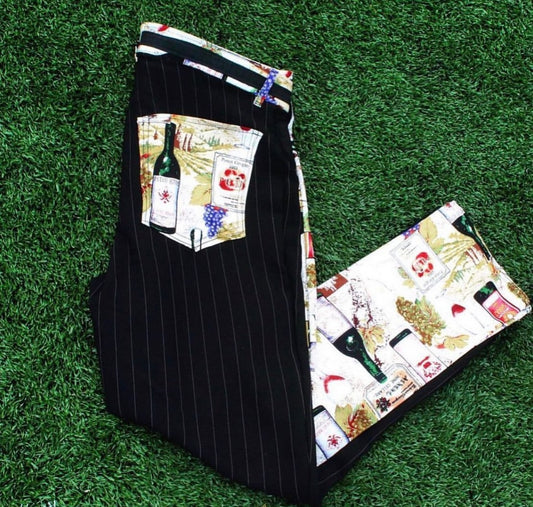
Fine Wine Pants

We'd Love To Hear From You
Review's let us know we are doing a great job. We encourage you to leave a review on the products you purchase or a review about us on our Google page!